
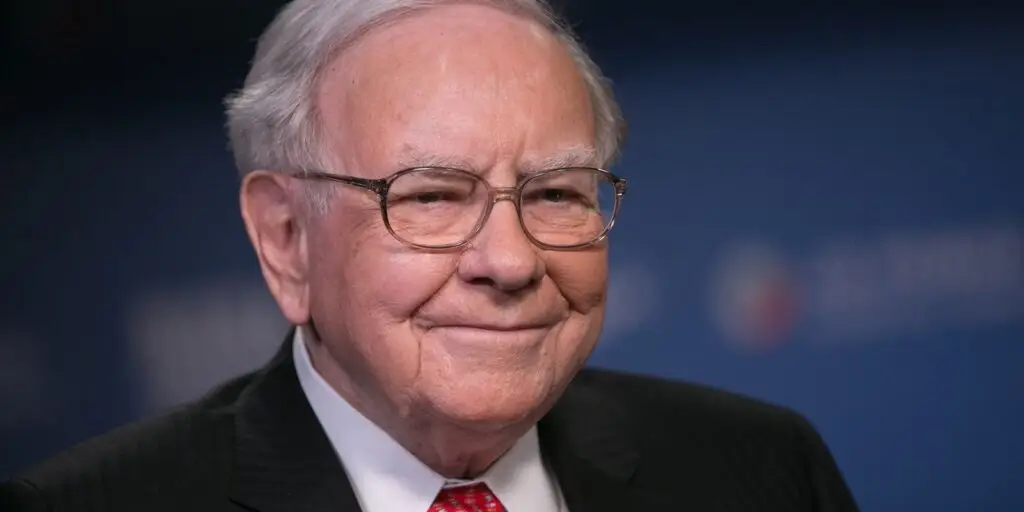

A portrait picture of Warren Buffett smiling in a suit

Image from CNN

How to Invest Like Warren Buffett

If you asked ten people to name the greatest investor of all time, at least nine would probably say Warren Buffett. Known as the “Oracle of Omaha,” Buffett transformed a struggling textile company, Berkshire Hathaway, into one of the largest and most successful conglomerates in the world. His net worth has soared into the tens of billions, but more importantly, his name has become synonymous with patience, discipline, and long-term wealth creation.

But here’s the real question: Can you actually invest like Warren Buffett?

The short answer is yes—at least in principle. Buffett’s investing philosophy is not some mysterious, secret code only he understands. It’s a clear set of timeless strategies, rooted in common sense and discipline. The harder part is having the temperament to follow them consistently.

Let’s dive into how you can learn from Buffett’s methods—not by trying to copy his exact stock picks, but by embracing his mindset, principles, and timeless investing strategies.

The Omaha Beginning: A Story of Compounding

Before we get into strategies, let’s rewind to Buffett’s early life.

Warren Buffett’s fascination with money began when he was a child in Omaha, Nebraska. At age 11, he bought his first stock—Cities Service preferred shares—for $38 per share. Shortly after buying, the stock dropped to $27, and Buffett panicked. When the price crept back up to $40, he sold, taking a tiny profit. But then, the stock surged to over $200.

That experience stuck with him forever. It taught him two lessons:

  1. Patience pays.

  2. Short-term market moves are unpredictable.

He carried those lessons into adulthood, and they became central to his investing philosophy.

Principle #1: Buy Businesses, Not Stocks

Buffett doesn’t think of stocks as ticker symbols or trading instruments. He thinks of them as pieces of real businesses. This mindset shift is fundamental.

He often says:

“When you buy a stock, you should view it as if you are buying the entire business.”

This means you should ask questions like:

  • Does this business have a durable competitive advantage (a “moat”)?

  • Does it generate consistent cash flow?

  • Would I still be happy to own it if the stock market shut down for 10 years?

For example, Buffett invested heavily in Coca-Cola in the late 1980s. Why? Because he understood that Coca-Cola had one of the strongest brands in the world, with global reach and timeless demand. He wasn’t betting on a stock chart—he was buying into a business model that would endure.

Lesson for you: Before buying a stock, research the company as if you were planning to own the entire business.

Principle #2: Value Over Price

Buffett is famous for saying:

“Price is what you pay. Value is what you get.”

He doesn’t chase hot trends or speculative bubbles. Instead, he looks for businesses trading below their intrinsic value—the true worth of the company based on earnings, assets, and future potential.

This is the essence of value investing. It’s about identifying great companies that are temporarily undervalued by the market.

For example: During the 2008 financial crisis, Buffett invested billions in companies like Goldman Sachs and Bank of America when fear drove prices down. These investments later yielded massive returns.

Lesson for you: Don’t confuse price with value. Learn to estimate a company’s intrinsic value (using tools like discounted cash flow analysis, P/E ratios, and return on equity). Then, buy when the market offers you a “discount.”

Principle #3: Think Long-Term

Buffett is the ultimate long-term investor. His favorite holding period? “Forever.”

He doesn’t flip stocks or try to time the market. Instead, he buys businesses he believes will grow for decades and holds onto them through ups and downs.

Think about this: If Buffett had sold Coca-Cola after a few years, he would have missed out on billions in dividends and appreciation. By holding it for decades, he allowed compounding to work its magic.

Lesson for you: Don’t treat investing like a casino. Treat it like owning farmland: you don’t check the price of your farm every day; you focus on the crops it produces over time.

Principle #4: Stay Within Your Circle of Competence

One of Buffett’s golden rules is to only invest in what you understand. He calls this your “circle of competence.”

Buffett has famously avoided tech companies for most of his career because he admitted he didn’t fully understand their business models. (He only bought Apple much later, when he saw it as more of a consumer brand than a tech company.)

By staying within his circle of competence—insurance, banking, consumer goods—Buffett avoided making costly mistakes in industries he didn’t understand.

Lesson for you: Don’t chase hype. If you can’t explain how a company makes money in one sentence, it’s probably outside your circle of competence. Stick to businesses you truly understand.

Principle #5: Temperament Beats Intelligence

Buffett often says that investing is more about temperament than raw IQ. Many brilliant investors fail because they can’t control their emotions—panic in downturns, greed in booms.

He credits his success not to being the smartest person in the room, but to being calm and rational when others are not. In his words:

“Be fearful when others are greedy, and greedy when others are fearful.”

This contrarian mindset is one of Buffett’s most powerful tools.

Lesson for you: Develop emotional discipline. When markets crash, resist panic-selling. When markets boom, resist the urge to chase hype.

Principle #6: Cash Flow and Dividends Matter

Buffett loves businesses that generate steady cash flow and pay dividends. That’s why he’s a fan of companies like Coca-Cola, Apple, and Procter & Gamble.

Why? Because dividends provide real, tangible returns. They can be reinvested to compound wealth over time. Buffett himself collects billions in dividends every year through Berkshire Hathaway’s holdings.

Lesson for you: Look for companies with consistent free cash flow, strong balance sheets, and reliable dividends.

Principle #7: Patience Is the Superpower

Buffett’s career is a testament to the power of patience. He didn’t become a billionaire overnight. In fact, most of his wealth came after the age of 50, as compounding worked its exponential magic.

Here’s a mind-blowing fact: Over 90% of Buffett’s wealth was earned after he turned 60.

Lesson for you: Start early, stay consistent, and let compounding do the heavy lifting.

Practical Steps to Invest Like Warren Buffett

So how can you apply these principles to your own investing journey? Here’s a roadmap:

  1. Study businesses, not stock charts. Focus on companies with durable advantages.

  2. Look for value. Avoid overpaying. Wait for opportunities.

  3. Hold long-term. Think in decades, not days.

  4. Stay in your lane. Don’t invest in businesses you don’t understand.

  5. Control your emotions. Stay rational when others are panicking.

  6. Favor dividend-paying companies. They provide steady income and compound returns.

  7. Be patient. Don’t expect overnight results—wealth builds over time.

The Buffett Challenge

Here’s the catch: It’s easy to read about Buffett’s principles. It’s harder to live them.

When the market crashes 30%, can you really hold on—or even buy more?
When everyone is making money on the “next big thing,” can you resist the fear of missing out?
When your investments seem boring compared to flashy growth stocks, can you stay disciplined?

That’s what separates Buffett-like investors from the crowd. It’s not about stock tips. It’s about temperament, patience, and consistency.

Final Thoughts

Warren Buffett once said:

“The stock market is designed to transfer money from the active to the patient.”

If you want to invest like Buffett, you don’t need a billion-dollar empire or insider access to Wall Street. You need patience, discipline, and the ability to think long-term.

His strategies are timeless: buy great businesses, pay fair prices, hold for the long run, and stay rational when others lose their heads.

Do that—and while you may not become the next Warren Buffett—you’ll put yourself on the path to building enduring wealth, one smart decision at a time.

Leave a Comment

Your email address will not be published. Required fields are marked *