

The New Business Starter Pack: Everything You Need to Launch Your Dream
So—you’ve got a business idea buzzing in your head. Maybe it’s an online shop, a coaching service, or a side hustle that could grow into something big. Exciting, right? But here’s the truth: without the right tools, even the best ideas can fizzle out.
That’s why I put together The New Business Starter Pack—a collection of must-have tools and resources that every entrepreneur should consider when launching. These aren’t just random gadgets or services; they’re the building blocks that can take your idea from scribbles in a notebook to a thriving, money-making business.
1. A professional Website via Hostinger
Let’s start with your online home. In today’s world, your website is your storefront, your resume, and your sales pitch all rolled into one. A website shows both authority and builds trust. It provides an easily accessible place to learn more about you as a person or your business.
Hostinger is a nobrainer choice for website hostinger. From cheap hosting prices to free SSL-certificates, it turns your business from a hobby-look into an actual professional brand/business.
2. Branding Basics via Canva
You don’t need to hire a $5,000 branding agency when you’re starting out. Affordable tools can help you look polished. And a polished look for your brand is one of the key factors for a brand new business/brand. Professional designs convey trust and show that you can deliver on quality. If a business can’t put their visuals in order, you wouldn’t trust them with your money or important services.
That’s where Canva comes in. They offer premium templates for logos, presentations and social media posts. Basically 1 service instead of paying thousands per month hiring a designer.
3. Productivity Tool via Notion
Running a business means juggling a thousand little moving parts—deadlines, client calls, invoices, content planning, and a never-ending list of ideas. That’s where Notion comes in. Think of it as your business command center.
Notion isn’t just a note-taking app; it’s a customizable, all-in-one workspace where you can:
Build project management systems to track tasks, goals, and milestones.
Use calendars and timelines to schedule launches, social posts, or client meetings.
Store important docs, brainstorms, and SOPs (standard operating procedures) all in one place.
The best part? Notion has a huge library of templates—most of them free—created by other entrepreneurs. Whether you need a content calendar, a sales pipeline, or even a full CRM, you can install a template in seconds and adapt it to your business.
In short: instead of juggling 10 different apps, Notion helps you centralize your projects and progress in your tasks.

4. Communication tools via Grammarly
Clear communication is one of the most underrated skills in business. Whether you’re sending a proposal to a client, crafting a social media post, or writing website copy, the way you write directly impacts how professional and trustworthy your brand appears. That’s where Grammarly comes in. Here’s what makes it an essential communication tool for any business owner:
Error-Free Writing: Instantly catches spelling, grammar, and punctuation mistakes across emails, documents, and even social media platforms.
Tone Detection: Ensures your message sounds the way you intend—whether that’s confident, friendly, or formal.
Clarity Improvements: Simplifies wordy sentences and helps you get straight to the point.
Style Suggestions: Offers alternatives for stronger vocabulary, making your writing more engaging and persuasive.
The beauty of Grammarly is that it integrates seamlessly into the tools you already use—like Gmail, Microsoft Word, Slack, or even your browser—so you’re always writing with confidence, no matter where you’re typing.

5. Goal Tracking with a Whiteboard
Sometimes the simplest tools are the most powerful. A whiteboard may not be digital or flashy, but it’s one of the best goal-tracking systems you can have in your workspace. Why? Because it keeps your priorities visible every single day.
Big Picture Planning: Map out quarterly goals, weekly tasks, or daily to-dos where you can see them at a glance.
Visual Motivation: Crossing off goals on a whiteboard feels far more satisfying than clicking “complete” on a screen.
Team Collaboration: If you’re working with a small team, a whiteboard becomes a shared space to brainstorm, track progress, and stay aligned.
Flexibility: Unlike notebooks or planners, you can easily adjust goals as your business evolves—just erase and rewrite.
For entrepreneurs, having a whiteboard in your office is like having a constant accountability partner. It transforms your goals from abstract ideas into visible, daily reminders that keep you on track.
If you want to learn more about budgetting.
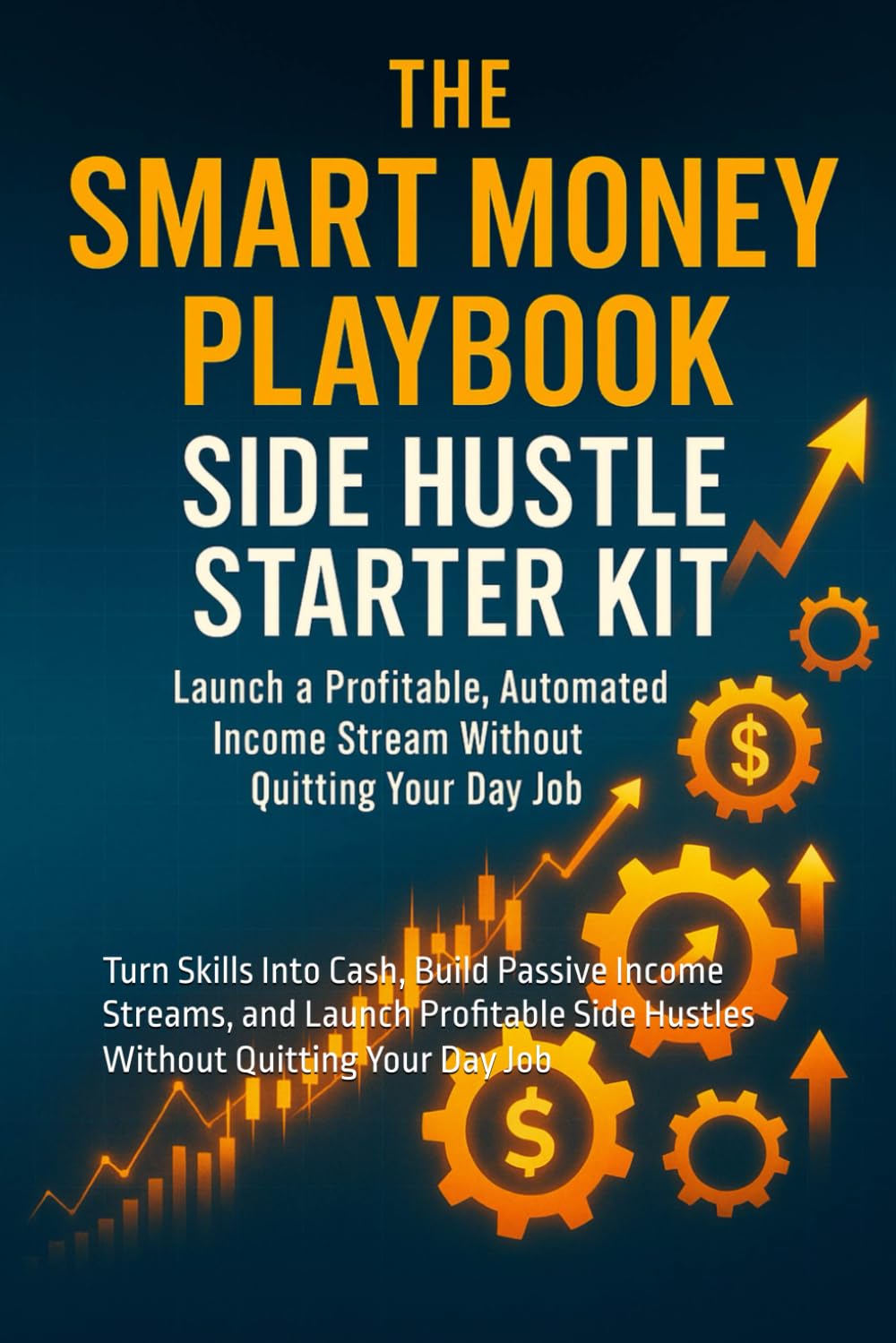
If you want to learn directly how to create an actual side hustle / small business with detailed step-by-step processes. Read the new book designed specifically to teach you how to create a profitable business without the need of quitting your day job!
No posts found!